A Brazilian Butt Lift (BBL) demands careful positioning after surgery to protect fat grafts and optimize results. This guide explains why sitting and sleeping matter, how to choose and use the right BBL pillow, and how to plan safe travel home after surgery abroad. Followable timelines, complication flags, and practical tips help preserve your investment and health.
Why Positioning Matters for BBL Results
The success of a Brazilian Butt Lift depends on more than just the skill of your surgeon; it relies heavily on how you treat your body during the weeks following the procedure. When fat is moved from one part of your body to your buttocks, it is not immediately connected to your blood supply. These fat cells are essentially living in a state of shock and need to establish new connections to survive. This biological process, known as revascularization, is a delicate phase where the fat grafts are extremely vulnerable to outside forces.
The Biology of Fat Survival
Revascularization and Oxygen
For fat grafts to stay permanent, they must receive oxygen and nutrients from your blood. During the first few days, the cells survive through a process called plasma imbibition, soaking up nutrients from the surrounding fluid. After this, tiny blood vessels must grow into the new fat. If you put pressure on the area by sitting or lying on your back, you compress these developing vessels, cutting off the blood supply. Without a steady flow of blood, the fat cells will die. Your body then naturally absorbs the dead tissue, leading to a loss of volume that can ruin the shape your surgeon created. Clinical data suggests that successful revascularization typically results in a 60 to 80 percent retention rate of the transferred fat, provided pressure is managed correctly.
The Danger of Shear Forces
Pressure is a major concern, but shear forces are equally dangerous. Shear happens when the skin and the underlying fat move in opposite directions, which often occurs when sliding into a chair or shifting weight while sitting. These movements can physically tear the new, fragile blood vessels, preventing the fat from taking hold. This damage often results in contour irregularities or hard lumps known as fat necrosis, which occur when the fat dies and forms scar tissue instead of integrating smoothly into your body.
The Critical Recovery Timeline
The First Two Weeks
The most critical period for fat graft survival is the first 14 days. This is when the foundation for your results is built. Most surgeons provide strict instructions to avoid all direct pressure on the buttocks during this time. You should only sit for essential tasks like using the bathroom. Even then, the duration should be kept under ten minutes. Many patients find that specialized BBL pillows are necessary to help distribute weight away from the grafts during this phase.
Long Term Protection
The danger does not end after two weeks. While the fat becomes more stable, it is still settling. Clinical guidance usually recommends progressive protection for six to eight weeks. During this window, the fat is still sensitive to prolonged compression. You might start using a pillow for short periods of sitting, but you should still avoid sitting directly on a hard surface. Full results are typically not visible until six months have passed, as the fat continues to settle and swelling resolves.
Inflammation and Fluid Management
The Impact of Seromas
Inflammation is a natural response to surgery, but excessive swelling puts internal pressure on the fat grafts that is just as harmful as external sitting. Seromas—pockets of clear fluid that can collect under the skin—create a physical barrier between the fat cells and the blood supply. If the fat cannot reach the blood vessels because of fluid buildup, it will not survive. This is why wearing your compression garment is so important; it helps manage fluid and keeps the tissue in place.
Friction and Wound Healing
Friction at the incision sites can lead to wound complications. If you move too much or sit in a way that rubs against the skin, you risk opening the wounds and increasing the chance of infection. An infection in the surgical area can quickly destroy the transferred fat and lead to permanent scarring. Keeping the area still is the best way to ensure the skin heals correctly over the new fat.
Systemic Risks and Safety
Monitoring for DVT
While you are protecting your fat grafts, you must also monitor for systemic risks. Deep vein thrombosis (DVT) is a significant concern after surgery. This is a blood clot that forms in the deep veins, usually in the legs, often because patients are less active during recovery. You must balance the need to avoid sitting with the need for movement. Walking for five minutes every hour helps keep your blood flowing. If you notice sudden swelling in one leg or pain in your calf, seek medical attention immediately.
Pulmonary Symptoms
A blood clot can travel from the legs to the lungs, causing a pulmonary embolism. This is a life-threatening condition that requires emergency care. Symptoms include shortness of breath and chest pain. These risks are especially important to consider if you have traveled abroad for surgery, as long flights and the recovery period increase your risk. Understanding the relationship between your sitting position and these systemic risks is vital for a safe recovery. Patients are often advised to sleep on their stomach or sides to stay safe while protecting their results.
Choosing the Right BBL Pillow and Accessories
Selecting the right support system is a logistical necessity for anyone traveling abroad for a Brazilian Butt Lift. The success of your fat transfer depends on how well you can offload weight from the surgical site during the first six to eight weeks. You need a toolkit of pillows and accessories that handle different environments like the recovery bed, the car ride to the clinic, and the long flight home.
The Foam Donut and U-Shaped Cushion
Pressure Distribution and Graft Protection
The foam donut pillow is the most common tool for early recovery. It uses a high-density foam base with a central U-shaped or circular cutout. This design ensures that your weight rests entirely on your hamstrings and the lower part of your thighs. By elevating the pelvis, the pillow allows the buttocks to hang in the open space without touching the chair. This prevents the compression of new blood vessels that are trying to nourish the transferred fat cells.
Pros and Cons
These pillows are very stable and provide consistent height. They do not flatten easily under body weight. The main drawback is their bulkiness; they are difficult to fit into a standard suitcase. Some users find the firm foam uncomfortable for sits longer than ten minutes. However, durability is high, and these cushions often last through the entire six-month recovery period.
Sizing and Positioning
When you sit, place the pillow toward the front edge of the chair. Your thighs should be centered on the foam pads. Ensure your feet are flat on the floor to maintain balance. If the pillow is too small, your buttocks might still touch the seat. If it is too large, it may cause hip strain. You can also use this pillow while lying down by placing it under your thighs to keep your hips slightly elevated when you are on your side.
Inflatable Travel BBL Cushions
Pressure Distribution and Graft Protection
Inflatable cushions offer adjustable support. You can control the air pressure to change the firmness. Like foam versions, they use a cutout to protect the grafts. They are less effective at distributing weight evenly than high-density foam, but they provide enough lift for short periods of travel.
Pros and Cons
Portability is the primary benefit. You can deflate the cushion and pack it in a carry-on bag, making it the best option for the flight home after surgery abroad. The risk of air leaks is a significant con; a puncture during a flight can leave you without protection. These cushions are also less breathable than foam and can feel sweaty against the skin.
Sizing and Positioning
Positioning is the same as the foam donut. You must ensure the air chambers are full enough to keep your buttocks at least two inches above the seat. For travel, use it in the airplane seat but stand up every hour to ensure the cushion has not lost air.
Wedge Pillows and Prone Support Accessories
Pressure Distribution and Graft Protection
Wedge pillows are designed for lying down rather than sitting. They are usually made of memory foam or firm polyurethane. When you sleep on your stomach, a wedge placed under your pelvis or chest helps align your spine. This prevents your midsection from sagging, which could put indirect pressure on the gluteal area.
Pros and Cons
Wedges provide excellent support for the back and neck during the two weeks of mandatory prone sleeping. They are very durable. The downside is they are heavy and take up a lot of room in a recovery suite. They are not practical for the actual travel portion of your trip.
Sizing and Positioning
Place the thickest part of the wedge under your hips or chest depending on your comfort. Combine this with thick knee bolsters. A bolster under the ankles or knees helps maintain a comfortable leg angle. This setup is vital for preventing the lower back pain that often comes with sleeping on your stomach for weeks.
Car Cushion Adapters and Seat-Belt Tools
Pressure Distribution and Graft Protection
Car-specific cushions are thinner and wider to fit vehicle seats. They often come with straps to prevent the cushion from sliding during turns. Seat-belt adapters or extenders are used to move the lap belt away from the hips. This prevents the belt from digging into the newly grafted areas during a sudden stop.
Pros and Cons
These tools are essential for the ride from the hospital to your hotel. They reduce the “shear force” that happens when you slide in a car seat. The con is that they are specialized and may not be useful after the first two months of recovery.
Material Considerations and Compression
Look for pillows with removable, washable covers. Hygiene is a priority because surgical incisions and sweat can lead to infections. Breathable fabrics like mesh or cotton are better than velvet or plastic. You must use these pillows in combination with your compression garment. The faja keeps the fat in place and controls swelling, while the pillow protects the fat from external weight. Using one without the other increases the risk of contour irregularities or graft failure.
Buying and Packing Strategy
Buy your pillows at least three weeks before your surgery. You need time to test them and learn how to transition from standing to sitting. If you are traveling home after overseas surgery, pack one firm foam pillow for your stay and one inflatable cushion for the plane. Bring a backup inflatable in case of a leak. Having these tools ready ensures you do not ruin your results during the vulnerable first few days of travel.
| Pillow Type | Best Use | Portability | Durability |
|---|---|---|---|
| Foam Donut | Daily sitting at home | Low | High |
| Inflatable | Flights and car rides | High | Medium |
| Wedge | Stomach sleeping | Low | High |
| Memory Foam | Long-term recovery | Medium | High |
How to Sit Safely After BBL
The first 72 hours after your surgery are the most critical for the survival of your new fat grafts. During this immediate postoperative window, you must follow a strict rule of no direct sitting on your buttocks. If you must move or eat, you should stand or lie on your stomach. To use the bathroom, you can hover or sit briefly on the very back of your thighs. You can also use the edge of a firm bed to support your weight through your hamstrings while keeping your buttocks suspended in the air. Standing transfers should be slow and controlled. Use your arms to push yourself up from a lying position to avoid engaging your gluteal muscles.
Weeks 1 and 2 Sitting Rules
During the first two weeks, you must continue to avoid direct pressure on the surgical site. This is the period when most fat resorption occurs if the area is stressed. If sitting is absolutely necessary for short tasks, you must use a specialized BBL pillow. A donut or wedge pillow works by shifting your weight onto your thighs. You should limit these sessions to a maximum of ten minutes. This short duration prevents the blood flow from being restricted for too long. You should spend most of your time walking or resting in a prone position. Walking for five to ten minutes every hour helps maintain circulation and reduces the risk of blood clots.
Weeks 3 to 6 Gradual Reintroduction
As you enter the third week, you can begin to sit for longer periods using your cushion. You should still avoid sitting on hard surfaces without support. Place your BBL pillow specifically under your lower thighs. This positioning ensures your ischial tuberosities, the sit bones, are not taking the weight. Your buttocks should hang off the back of the cushion. You can slowly increase your sitting time to 20 or 30 minutes at a time. Pay close attention to your posture. You must sit upright and avoid slouching. Slouching shifts the weight backward onto the lower part of the grafts. By week six, the fat cells have usually established a stable blood supply. However, you should still use a cushion for any sitting that lasts longer than a few minutes to ensure the best long term contour.
| Recovery Phase | Sitting Restriction | Pillow Placement | Max Duration |
|---|---|---|---|
| 0 to 72 Hours | Strictly prohibited | None (Standing only) | 0 minutes |
| Weeks 1 to 2 | Essential tasks only | Under mid-thighs | 10 minutes |
| Weeks 3 to 4 | Gradual reintroduction | Under lower thighs | 20 minutes |
| Weeks 5 to 6 | Cushioned sitting | Under thighs/ischials | 30+ minutes |
Safe Transfer Techniques
The way you sit down and stand up can impact your results. You want to avoid any shearing forces. Shearing happens when the skin and underlying fat are pulled or shifted horizontally. This can cause irregularities in the final shape. To sit safely, use your arms for stability. Lower yourself slowly onto the cushion while keeping your back straight. If you have access to assistive devices, use them. A raised toilet seat is very helpful during the first two weeks. It reduces the distance you have to drop and keeps your hips at a safer angle. Grab bars in the bathroom can also provide the leverage needed to stand up without straining your lower body.
Car Rides and Air Travel
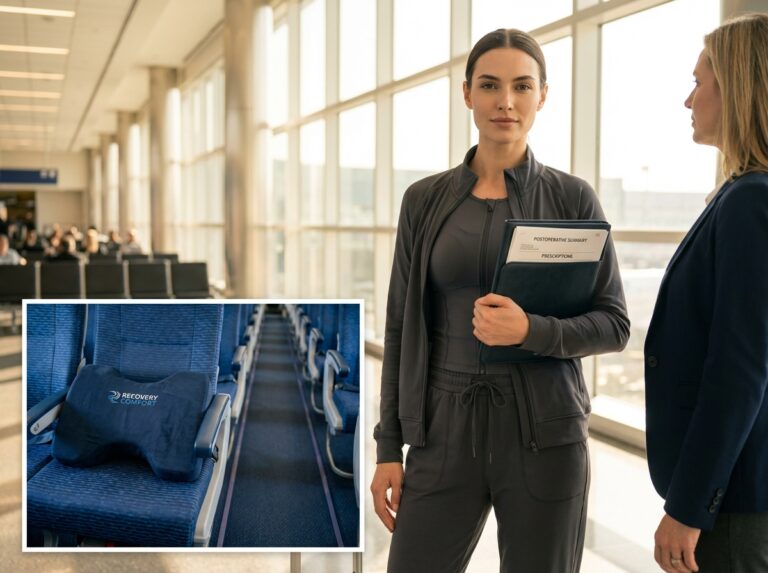
Travel requires extra planning, especially if you had surgery abroad. For car rides, the rear seat is usually better than the front. It allows you more space to angle your body and position your pillows. Place your BBL cushion under your thighs and use a small lumbar roll for your lower back. You should take breaks every hour to get out and walk. This prevents stiffness and keeps your blood moving. If you are flying home, an aisle seat is a requirement. You will need to stand up and walk the aisle frequently. Do not sit directly on the airplane seat. Use an inflatable or foam BBL pillow throughout the flight. You can find more details on managing this phase in this guide to Brazilian Butt Lift recovery. Always keep your compression garment on during travel to manage swelling from cabin pressure changes.
Red Flags and Surgeon Contact
You must monitor your body for signs of complications. Contact your surgeon immediately if you notice sudden asymmetry where one side of your buttocks looks significantly larger or different in shape than the other. This could indicate a hematoma or a seroma. Increasing pain that does not respond to your prescribed medication is another warning sign. Look for heavy drainage from incision sites or a fever over 101 degrees Fahrenheit. These can be signs of an infection. If you experience shortness of breath or significant swelling in only one leg, seek emergency care. These are symptoms of a blood clot. Every surgeon has a specific protocol. You must follow the instructions provided by your operating doctor above any general advice. They know the specifics of your procedure and your health history.
How to Sleep Without Compromising Graft Survival
Sleeping after a BBL requires a strict plan to keep your new fat cells alive. These cells need blood flow to survive in their new home. Pressure from your body weight can crush them before they settle. This is why your sleep position matters just as much as your choice of surgeon. The primary goal for the first two weeks is to stay off your back entirely. Prone sleeping or lying on your stomach is the safest way to protect the grafts. Most surgeons want you to stay in this position for at least fourteen days. Some suggest continuing this or careful side sleeping for up to six weeks. You can find more details in these Brazilian Butt Lift Post-Operative Patient Instructions.
The Prone Sleeping Setup
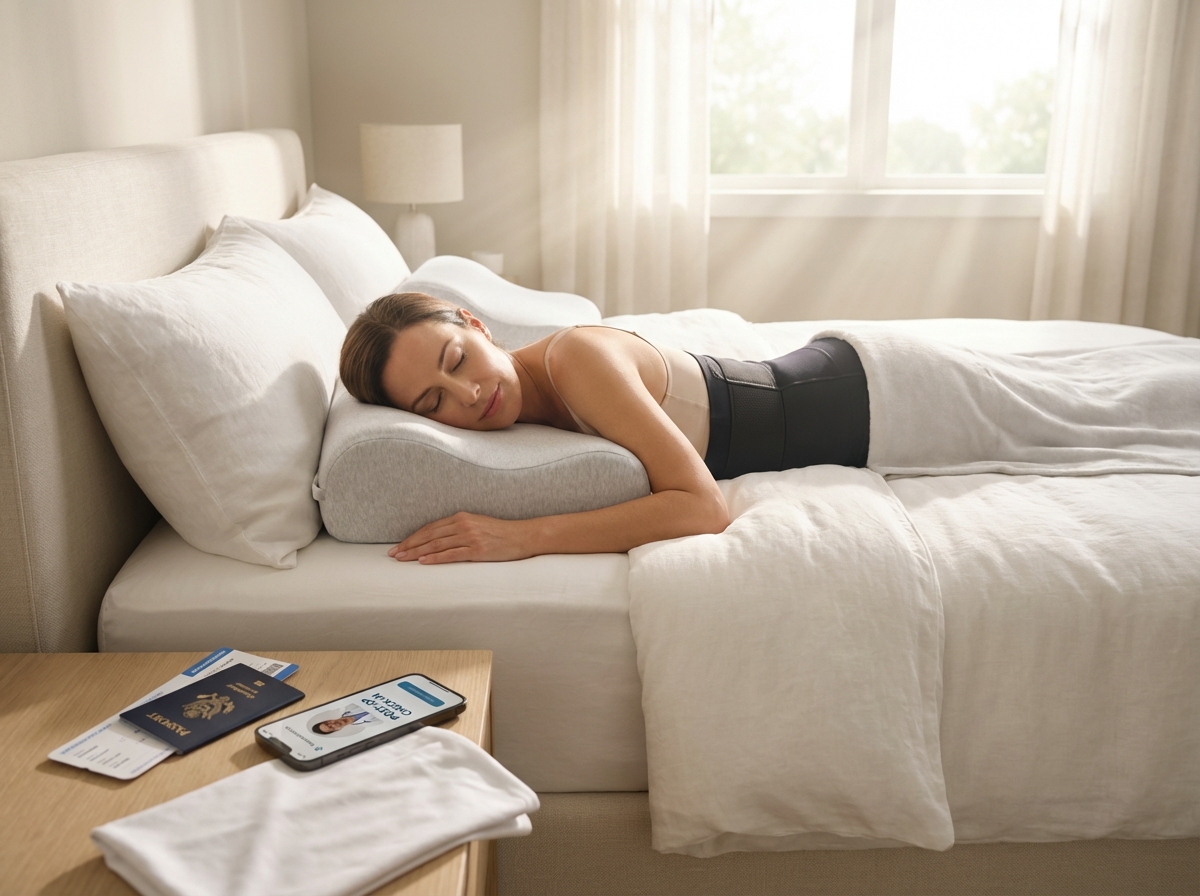
To make stomach sleeping work, you need a specific setup. Place a firm pillow under your pelvis and lower abdomen. This lifts your hips and keeps your buttocks from touching the mattress. You can add another pillow under your shins to keep your legs comfortable. This arrangement flexes your hips and takes the strain off your lower back. Use a very thin pillow or no pillow at all for your head. This keeps your spine in a neutral line and prevents neck stiffness. If your lower back hurts, adjust the pelvic pillow. Moving it slightly higher or lower can change the angle of your spine and provide relief. You should practice this position before your surgery date to get used to the feeling.
Side Sleeping Strategies
If you find stomach sleeping impossible, you can use a side-lying strategy after the first two weeks. You must use an engineered pillow setup to keep pressure off the gluteal muscles. Place a long body pillow or several standard pillows in front of you and behind you. This creates a barrier that prevents you from rolling onto your back during the night. Keep a pillow between your knees to align your hips. Ensure your buttocks do not press against the bed surface. You can use pillows under your ribs or low back to lift your buttocks and hips up. This reduces direct pressure later in your recovery. More tips are available in The Golden Rules of BBL Recovery.
| Recovery Phase | Recommended Position | Pillow Strategy |
|---|---|---|
| Weeks 0 to 2 | Strict Prone | Pillows under pelvis and shins |
| Weeks 2 to 6 | Prone or Side | Body pillows as roll-over barriers |
| Week 8 and Beyond | Back Sleeping | Gradual reintroduction with monitoring |
Step by Step Pillow Placement
Follow these steps to set up your bed for a safe night of rest. Start by placing a flat pillow at the head of the bed. Position a medium-firm pillow where your hips will rest. Lay down on your stomach so the hip pillow supports your pelvic bone. Place a rolled towel or a small bolster under your ankles. This prevents your toes from digging into the mattress. For side sleeping, lie on your non-dominant side. Tuck a pillow between your knees and ankles. Place a firm wedge pillow behind your back. This wedge acts as a physical stop so you cannot roll over. Ensure your compression garment is smooth and free of folds before you lie down. Folds in the fabric can cause skin irritation or permanent indentations in the soft tissue.
Sleep Hygiene and Safety
Minimize nighttime movement by following a strict sleep schedule. Go to bed at the same time each night to help your body stay still. Avoid caffeine or heavy meals before bed to reduce tossing and turning. Some patients use wearable sensor alarms that beep if they roll onto their back. Only use these if your surgeon recommends them. Keep your room cool to prevent sweating under your compression garment. Moisture can lead to skin breakdown or infections near incision sites. If you wake up and find yourself on your back, do not panic. Simply roll back to your stomach or side and check the area for any new pain or redness.
Returning to Back Sleeping
You should wait at least eight weeks before trying to sleep on your back. Even then, you must be careful. Start by lying on your back for short periods during the day. Check for any discomfort or pressure. If it feels fine, you can try sleeping that way for a full night. Your final results will not be visible for about six months. Swelling peaks in the first two weeks and then slowly fades. Your sleep position influences how this swelling resolves. Staying off your buttocks helps the fluid drain away from the surgical site. This leads to a smoother and more symmetrical outcome. If you notice sudden asymmetry or increasing pain, contact your surgeon immediately.
Troubleshooting Common Complaints
Neck and back pain often happen when you change your sleep habits. If your neck is sore, try turning your head to the opposite side every few hours. You can also use a small rolled-up hand towel under your forehead for support. If you feel pressure in your chest, place a soft pillow under your upper chest area. This can make breathing easier while lying prone. Always keep your compression garment on as instructed. It provides the necessary support for your tissues while they heal. If the garment feels too tight while lying down, check for bunching around the waist or thighs. Smooth out the fabric to ensure even pressure across the entire area.
Frequently Asked Questions Common patient concerns and answers
Patients often feel overwhelmed by the strict rules of recovery, especially when they have traveled across borders for their surgery. These questions represent the most common concerns regarding how to protect your investment while navigating the trip home.
How do I manage sleep and sitting during a long flight home?
Book an aisle seat so you can stand up and walk every hour. Use an inflatable BBL cushion to support your thighs while you are in the seat. Do not sit directly on the plane seat for any portion of the flight. If you need to rest, try leaning forward onto the tray table with a small travel pillow to keep your weight shifted toward your legs and away from your backside.
When is it safe to fly after BBL and what precautions should I take?
Most patients are cleared to fly about 1 week after surgery. You must wear medical grade compression stockings and stay very hydrated. Moving your ankles and legs frequently is necessary to prevent blood clots. It is also helpful to have a travel companion to help with heavy luggage, as you should not lift more than 5 lbs for the first 2 weeks.
What should I do if I have pain or notice asymmetry after sleeping?
Minor swelling and unevenness are common in the first month. However, if you notice a sudden shift in shape or experience sharp pain after a night of sleep, contact your operating surgeon immediately. They may need to see photos or have you visit a local clinic to ensure you do not have a seroma or other complication. Always follow the specific advice of your surgeon when in doubt.
How do I manage medications and drainage while traveling?
Keep all your prescriptions in your carry-on bag. Do not remove your compression garment during the flight. If you still have minor drainage, bring extra absorbent pads and hand sanitizer to change them in a clean way. It is also wise to carry a copy of your operative notes and a letter from your surgeon clearing you for travel.
For more detailed information on the early stages of healing, you can refer to Recovering from a Brazilian butt lift. This guide highlights the importance of stomach sleeping and the use of donut pillows during the initial weeks of recovery.
Final conclusions and aftercare checklist
The long term success of a Brazilian Butt Lift depends on how well the transferred fat survives the first few months of healing. Travel planning is just as important as the surgery itself because moving through airports or sitting on long flights creates physical stress that can lead to swelling or blood clots. Success comes from following a strict schedule for sitting plus sleeping while managing the logistics of returning home from an overseas clinic. Combining a high quality BBL pillow with a smart travel strategy ensures that the fat stays where it belongs and your body heals without dangerous complications.
Immediate Postoperative Phase 0 to 2 Weeks
This is the most critical window for fat survival. You must sleep on your stomach or in a prone position to keep all weight off your buttocks. Use a BBL recovery guide to set up your sleeping area with pillows under your hips plus ankles to prevent rolling. Sitting is restricted to using the toilet for no more than ten minutes at a time. You should walk for five minutes every hour during the day to keep circulation moving. Wear your compression garment twenty four hours a day except when showering. Do not lift anything heavier than five pounds. Avoid any activity that causes you to sweat or strain because heat can increase inflammation around the grafts.
Early Recovery Phase 2 to 6 Weeks
You can begin to introduce side sleeping if you use a pillow between your knees to prevent your hips from rotating. Sitting is allowed only with a specialized BBL pillow that supports your thighs and leaves your buttocks hanging freely. Start with twenty minute sessions plus monitor how your skin feels. If you notice increased swelling or redness, go back to standing or lying down. You should continue wearing your compression garment as instructed by your surgeon. Light stretching is okay but avoid squats or heavy lower body exercises. This period is when the initial swelling starts to go down and you begin to see the early shape of your results.
Preparing to Travel Home and During Travel
Before you leave the country, ensure you have a portable BBL pillow for the plane or car. Book an aisle seat so you can stand up and walk every sixty minutes. Wear medical grade compression stockings under your garment to prevent deep vein thrombosis. Stay hydrated by drinking water throughout the journey and avoid caffeine or alcohol. Use your BBL pillow for every seat including the airport lounge and the taxi. If the flight is long, ask the flight attendants if you can stand in the galley area for a few minutes. Do not carry heavy luggage. Use a rolling suitcase or ask for assistance with your bags to avoid straining your core or gluteal muscles.
Post Travel Follow Up in First 2 to 6 Weeks
Once you are home, schedule a virtual check in with your operating surgeon to review your progress. It is helpful to have a local doctor or a wound care specialist who can see you in person if needed. Continue using your BBL pillow for all sitting until at least the eight week mark. Monitor your incision sites for any signs of late infection. Keep a record of your measurements plus photos to track how the swelling subsides. You can find more details on post-op care to help you navigate this transition back to your normal routine.
| Urgent Warning Sign | Immediate Action Required |
|---|---|
| Shortness of breath or chest pain | Seek local emergency care immediately |
| Sudden swelling or pain in one leg | Go to the nearest emergency room |
| Fever over 101 degrees Fahrenheit | Contact your surgeon plus seek medical help |
| Heavy drainage or foul odor from incisions | Call your surgeon for wound assessment |
| Sudden or extreme asymmetry | Document with photos plus notify your doctor |
Documentation and Telemedicine After Surgery Abroad
Keeping a complete file of your medical records is vital when you have surgery in another country. Ask your surgeon for a copy of the operative notes plus a list of the medications used during the procedure. This information is necessary if a local doctor needs to treat you for a complication. Keep the direct contact numbers for the clinic and the surgeon in your phone. Use telemedicine platforms for regular updates so your surgeon can see your healing progress through high quality photos or video calls. Having a planned local follow up with a plastic surgeon in your home city provides an extra layer of safety. This local professional can help manage minor issues like seromas or skin irritation before they become major problems. Your long term health depends on clear communication between your overseas team and your local healthcare providers.
Sources
- Your Guide to Brazilian Butt Lift Recovery — Specialized BBL pillows can help distribute pressure evenly and provide support during healing. These pillows typically have a U-shaped cutout …
- Title:The Truth About Brazilian Butt Lift (BBL): Myths vs. Facts — You'll need to avoid sitting directly on your buttocks for the first few weeks and use a BBL pillow to protect your results. I provide all my …
- Recovering from a Brazilian butt lift | ASPS — Patients are often advised to sleep on their stomach or sides, and if you absolutely do have to sit, it is recommended to use a donut pillow or …
- Brazilian Butt Lift Recovery Guide | Dr. Tsai Plastic Surgery — Experience a seamless Brazilian Butt Lift recovery journey with Dr. Roger Tsai. Explore our blog for post-op care and timelines for optimal results.
- Brazilian Butt Lift Post-Operative Patient Instructions — Sleep: You must sleep on your stomach for the first two weeks after your surgery. Putting a few pillows under your pelvis to allow your hips to be flexed …
- Achieving a Comfortable BBL Recovery — Placing a BBL pillow or a regular pillow under your abdomen or thighs provides essential support and alleviates any discomfort. It's advisable …
- The Golden Rules of BBL Recovery: What You Need to Know — You can use pillows under your ribs or low back to lift your buttocks and hips up, so there is less direct pressure later on in your recovery.
- Brazilian Butt Lift | Buttock Enhancement | ABCS — Butt lift pillow: A specialized pillow designed to provide support and cushioning for the buttocks after gluteal augmentation or lift surgery to avoid direct …
- How to Sleep After Tummy Tuck and BBL: Ultimate Guide (2025) — Use a BBL pillow or supportive wedge to protect your fat grafts and ease the pressure off your new curves. Add extra pillows under your knees or behind your …
Legal Disclaimers & Brand Notices
The information provided in this article is for informational and educational purposes only and does not constitute professional medical advice, diagnosis, or treatment. Always seek the advice of your physician, plastic surgeon, or other qualified health provider with any questions you may have regarding a medical condition, surgical procedure, or recovery protocol. Never disregard professional medical advice or delay in seeking it because of something you have read in this content.
All product names, logos, and brands mentioned in this text are the property of their respective owners. All company, product, and service names used in this article are for identification purposes only. Use of these names, trademarks, and brands does not imply endorsement, affiliation, or certification by the trademark holders.