Surgery Recovery Travel guides patients who had procedures overseas on aftercare, complication planning, follow-ups, and traveling home safely. This article explains how an anti-inflammatory diet can accelerate wound healing, reduce complications, and support safe travel after surgery abroad. Read practical food lists, timing, medication interactions, meal plans, and travel-safe tips tailored for post‑operative recovery.
Why an Anti-Inflammatory Diet Matters for Surgical Recovery
High Quality Protein Sources
Protein is the most critical nutrient for rebuilding tissue after a surgical procedure. After surgery, your body enters a catabolic state, breaking down muscle to find the amino acids needed for repair. You should aim for 1.2 to 2.0 grams of protein per kilogram of body weight each day. This usually means consuming 20 to 30 grams of protein at every meal. Lean poultry, fish, eggs, and Greek yogurt are excellent choices. For example, a 3.5 ounce chicken breast provides about 31 grams of protein, while a large egg offers about 7 grams. If you prefer plant based options, lentils offer 18 grams per cup. These foods provide the leucine needed to trigger muscle protein synthesis. This process prevents the muscle loss that often happens during periods of low activity after surgery. For those traveling home, vacuum sealed tuna pouches are a great portable option, offering roughly 20 grams of protein per serving. If you find it hard to eat enough solid food, a high-quality whey or pea protein powder can fill the gap. However, check with your surgical team if you have any kidney concerns before increasing protein significantly. You can find more details on specific recovery patterns in this guide to Five Anti-Inflammatory Diets for Post-Surgical Recovery.
Omega 3 Fatty Acids
These fats help resolve inflammation by producing specialized pro resolving mediators. These molecules tell your immune system to stop the inflammatory response once the initial healing begins. Wild salmon and sardines are the best sources. A 3.5 ounce serving of salmon provides 1 to 1.5 grams of EPA and DHA. You should try to eat these fish two or three times per week. Flaxseeds and chia seeds offer plant based omega 3s; one or two tablespoons of ground flaxseed daily can support your recovery. Be careful if you are taking blood thinners. High doses of fish oil (generally over 3 grams daily) can increase bleeding risks. Always talk to your surgeon before taking high-dose supplemental omega 3s, especially if you are on anticoagulants like warfarin or clopidogrel to prevent blood clots during your flight home.
Antioxidants and Polyphenols
Surgery creates oxidative stress in your tissues, and antioxidants neutralize the free radicals that cause this stress. Berries such as blueberries and strawberries are rich in anthocyanins. A typical serving is one cup per day. Dark leafy greens like spinach and kale supply vitamins A and C. You should include one or two cups of cooked greens in your daily meals. However, if you are taking blood thinners like warfarin, keep your intake of leafy greens consistent, as sudden increases in vitamin K can alter how these medications work. Turmeric contains curcumin, which shows strong anti inflammatory activity in clinical trials. Standardized extracts often provide 500 to 2,000 milligrams per day. Ginger is another powerful tool; doses of 1 to 2 grams per day can reduce nausea and lower systemic inflammation.
Essential Vitamins and Minerals
Vitamin C is required for collagen synthesis and wound strength. Clinical guidelines often recommend 250 to 1,000 milligrams per day during the early recovery phase. Vitamin A helps your immune cells identify and fight potential infections. Vitamin D supports the immune response; many patients require 800 to 2,000 IU daily to maintain healthy levels. Zinc is necessary for DNA synthesis and cell division. If you have a deficiency or a slow-healing wound, a short term dose of 30 to 50 milligrams may be suggested. Iron is vital for carrying oxygen to healing tissues, especially if you experienced significant blood loss. Your doctor might prescribe 65 milligrams of elemental iron. Taking iron with vitamin C improves absorption, but avoid taking it with dairy because calcium can block iron absorption. You can read more about how these micronutrients improve outcomes in adult patients through recent clinical reviews.
Gut Health and Immune Support
Antibiotics used during surgery can disrupt your gut microbiome. Probiotics and prebiotic fibers help restore this balance. Greek yogurt and kefir are excellent sources of beneficial bacteria. A 6 ounce serving of yogurt provides 15 to 20 grams of protein along with probiotics. Fermented vegetables like sauerkraut are also helpful, but choose low sodium varieties to avoid increasing postoperative swelling. Prebiotic foods like onions, garlic, and bananas support the growth of healthy gut flora and maintain the gut barrier function. Introduce fiber slowly to prevent gas or bloating while your digestive system is still sensitive.
Hydration and Electrolytes
Proper hydration is essential for nutrient transport, waste removal, and helping kidneys process medications. Most adults need 30 to 35 milliliters of fluid per kilogram of body weight daily, totaling 1.5 to 2.5 liters. If you are traveling on a long flight, the dry cabin air will dehydrate you faster. Use oral rehydration solutions containing balanced amounts of sodium and glucose to maintain electrolyte levels better than plain water alone. Avoid sugary beverages as they can cause glycemic spikes; high blood sugar levels impair the healing process and increase infection risks. Check your urine color; it should be pale yellow.
Supplementation and Lab Monitoring
Supplements should only be used when you cannot meet your needs through food. Whey protein powders are useful for a quick 20 gram protein boost, while casein protein is better for slow release overnight. If you decide to use supplements, coordinate with your surgical team first. They may want to monitor your labs at the four to twelve week mark, checking albumin, ferritin, and Vitamin D levels. Monitoring these markers ensures your surgical recovery diet is effective. Always check for drug interactions. For example, grapefruit juice can interfere with certain medications by inhibiting the CYP3A4 enzyme, leading to dangerous levels of drugs in your system.
| Nutrient Group | Recommended Food | Daily Target Example |
|---|---|---|
| Lean Protein | Chicken, Eggs, Lentils | 1.2 to 2.0 g/kg |
| Omega 3 Fats | Salmon, Chia Seeds | 1 to 2 servings (or 1-2g EPA/DHA) |
| Antioxidants | Berries, Spinach | 2 to 3 cups |
| Probiotics | Kefir, Yogurt | 1 to 2 servings |
| Vitamin C | Citrus, Peppers | 500 to 1,000 mg |
Practical Serving Examples
A recovery breakfast could include two scrambled eggs and a cup of berries. This provides 14 grams of protein and essential antioxidants. For lunch, a 3.5 ounce portion of grilled salmon with a side of leafy greens offers omega 3s and vitamin K. A snack of Greek yogurt with ground flaxseed adds another 20 grams of protein. These wound healing foods are easy to prepare even when you are staying in a hotel after recovery after surgery abroad. Focus on small and frequent meals if your appetite is low to ensure a steady supply of nutrients for your anti-inflammatory diet.
Foods, Drinks and Habits to Avoid After Surgery
Choosing the right foods is only half the battle when you are recovering from surgery abroad. You must also know what to keep off your plate. Certain foods and habits can trigger a surge of inflammation that slows down tissue repair and increases your risk of complications. When you are navigating an airport or a hotel menu in a foreign country, these choices become even more critical for a safe journey home.
The Impact of Pro-Inflammatory Foods
Sugar is one of the most significant obstacles to a fast recovery. High sugar intake causes a spike in insulin and promotes the release of pro-inflammatory cytokines like interleukin-6. These molecules tell your body to stay in a state of high alert, which can delay wound healing. Ultra-processed foods often hide these sugars along with refined flours that offer no nutritional value. Eating a diet high in these items is linked to worse outcomes after major procedures. You can read more about how pro-inflammatory diets influence perioperative outcomes to understand the risks involved.
Fats also play a major role in how your body handles the stress of surgery. Trans fats and industrial hydrogenated oils are known to increase systemic inflammation. You should also be cautious with saturated fats from heavy meats. Large portions of red meat without a balance of vegetables can push your body into a pro-inflammatory state. Try to limit red meat to small portions of about 3 or 4 ounces. Fill the rest of your plate with colorful plants to maintain a healthy balance.
Alcohol and Sodium Risks
Alcohol is particularly dangerous during the first few weeks of recovery. It acutely impairs your immune system and slows down the synthesis of collagen. This means your incisions may take longer to close and gain strength. Most surgical teams recommend avoiding alcohol for at least 2 to 4 weeks. If you are taking antibiotics or pain medications, alcohol is strictly prohibited because of the risk of severe drug interactions.
Sodium is another factor that can complicate your travel home. Excess salt causes your body to retain fluid, which leads to postoperative edema or swelling. This is especially problematic on long flights where circulation is already challenged. Aim for less than 2,300 milligrams of sodium per day. In the early stages of recovery, some patients may need to stay under 1,500 milligrams to keep swelling under control.
Critical Food and Drug Interactions
When you are on post-op medications, your diet can change how those drugs work. Grapefruit is a well known example. It inhibits an enzyme called CYP3A4 in your gut. This can cause the levels of certain medications, such as statins or immunosuppressants, to rise to toxic levels in your bloodstream. It is best to avoid grapefruit and its juice for at least 72 hours around the start of any new medication.
If your surgeon has prescribed warfarin, you must be very consistent with your intake of vitamin K. Leafy greens like spinach and kale are packed with this vitamin. While they are healthy, a sudden increase in these greens can make your blood thinner less effective. Keep your portions stable rather than making drastic changes.
Other supplements can increase your risk of bleeding. High dose fish oil, vitamin E over 400 IU, and garlic supplements can all affect how your blood clots. Combining these with NSAIDs like ibuprofen further raises the risk of internal bleeding. St. John’s wort should also be avoided because it can reduce the efficacy of many drugs used during and after surgery.
Safety for Immunocompromised Patients
Surgery temporarily weakens your immune system. This makes you more vulnerable to foodborne illnesses. While traveling, you should avoid high risk foods that could carry bacteria.
Risky Foods to Avoid
Avoid unpasteurized dairy products and soft cheeses like brie or camembert. Stay away from raw shellfish and undercooked meats. Even raw sprouts can be a source of contamination. When you are in a foreign country, stick to bottled water for drinking and even for brushing your teeth if the local water quality is uncertain. Ensure all your meals are cooked thoroughly and served hot.
Practical Strategies for the Journey Home
Managing your diet while traveling requires preparation. Reading labels is essential when you are buying snacks for a long flight. Look for items labeled as low sodium, which means they contain 140 milligrams or less per serving. Check the added sugar count and try to find options with 5 grams or less.
Smart Substitutions
If you have a craving for something sweet, reach for a cup of berries instead of candy. Berries provide antioxidants that support healing without the sugar crash. Swap out sugary sodas for water with a squeeze of lemon or ginger. If you are eating at a restaurant, ask for grilled or steamed proteins. Request that your meal be prepared without added salt and ask for sauces on the side.
| Instead of This | Try This for Healing |
|---|---|
| Fried fast food | Grilled chicken or fish |
| White bread or pasta | Quinoa or brown rice |
| Sugary energy drinks | Electrolyte water |
| Deli meats | Hard boiled eggs |
Managing sugar cravings is easier when you include protein and fiber at every meal. This combination keeps you full and prevents the blood sugar spikes that lead to more cravings. A small protein shake or a Greek yogurt can be a great bridge between meals. By staying vigilant about these pro-inflammatory triggers, you give your body the best environment to heal quickly and get you back to your normal life.
Practical Meal Plans Recipes and Travel Ready Food Strategies
Planning your meals before you even leave the surgical center makes the difference between a smooth recovery and a stressful one. The first week after surgery requires a focus on soft proteins and easy digestion. Your body needs between 1.2 to 2.0 grams of protein per kilogram of body weight to repair tissues. This usually means aiming for 20 to 30 grams of protein at every meal. During this initial phase, inflammation peaks within the first 72 hours. Eating foods that do not provoke the gut helps your system focus entirely on healing the surgical site.
Phase 1 Meal Plan Days 1 to 7
The priority here is soft textures and high protein density. You want to avoid anything that requires heavy chewing or causes gas. Small frequent meals are better than three large ones if you feel nauseous from anesthesia or pain medication.
| Day | Breakfast | Lunch | Dinner | Snack |
|---|---|---|---|---|
| 1 | Two scrambled eggs with a half cup of berries | Pureed lentil soup with bone broth | Flaky white fish with mashed sweet potato | Greek yogurt with a drizzle of honey |
| 2 | Oatmeal made with milk plus protein powder | Cottage cheese with soft canned peaches | Ground turkey sautéed with zucchini | Protein shake with 20 grams of whey |
| 3 | Greek yogurt with mashed banana | Chicken salad made with avocado instead of mayo | Soft silken tofu with steamed carrots | Hard boiled egg with a pinch of sea salt |
Anti-Inflammatory Ingredient Swaps
Replace butter with extra virgin olive oil to get a dose of polyphenols. Use turmeric and ginger instead of heavy salt or black pepper to manage swelling. Swap sugary cereals for oats or chia pudding to keep blood sugar stable. High glucose levels can impair your immune response and slow down wound closure.
Phase 2 Meal Plan Weeks 2 to 4
As you move into the second week, you can introduce more fiber and varied textures. This phase focuses on omega 3 fatty acids to modulate the ongoing inflammatory response. You should aim for 1,800 to 2,500 calories daily depending on your activity level. You can find more details on specific dietary patterns in this guide on Five Anti-Inflammatory Diets for Post-Surgical Recovery.
| Day | Breakfast | Lunch | Dinner | Snack |
|---|---|---|---|---|
| 1 | Chia seed pudding with walnuts and blueberries | Grilled salmon over a bed of spinach | Chicken breast with quinoa and broccoli | Apple slices with almond butter |
| 2 | Omelet with spinach and feta cheese | Tuna salad with olive oil and lemon | Baked cod with roasted cauliflower | Handful of raw almonds and pumpkin seeds |
| 3 | Smoothie with kale, pineapple, and collagen | Lentil and vegetable stew | Lean beef stir fry with bell peppers | Hummus with cucumber slices |
Phase 3 Meal Plan Weeks 4 to 12
By now you are likely returning to normal activity. The focus shifts to maintaining lean muscle mass and long term health. Continue prioritizing protein to support the final stages of internal remodeling. Insufficient energy intake can significantly reduce muscle protein synthesis as noted in this report on nutrition for injury recovery.
| Day | Breakfast | Lunch | Dinner | Snack |
|---|---|---|---|---|
| 1 | Whole grain toast with avocado and poached egg | Mediterranean bowl with chickpeas and olives | Grilled shrimp with wild rice and asparagus | Kefir with a tablespoon of flaxseeds |
| 2 | Buckwheat pancakes with fresh strawberries | Turkey wrap with plenty of dark leafy greens | Roasted chicken with beets and walnuts | Edamame with sea salt |
| 3 | Greek yogurt with hemp seeds and raspberries | Quinoa salad with black beans and corn | Baked salmon with sautéed kale | Small portion of dark chocolate and walnuts |
Travel Ready Food Strategies
Traveling home after surgery requires careful logistics to keep your food safe and your body nourished. Airline meals are often very high in sodium, which can cause significant swelling in your legs and at the surgical site. Bringing your own food ensures you stay within your anti-inflammatory goals.
The 6 to 12 Hour Travel Meal Kit
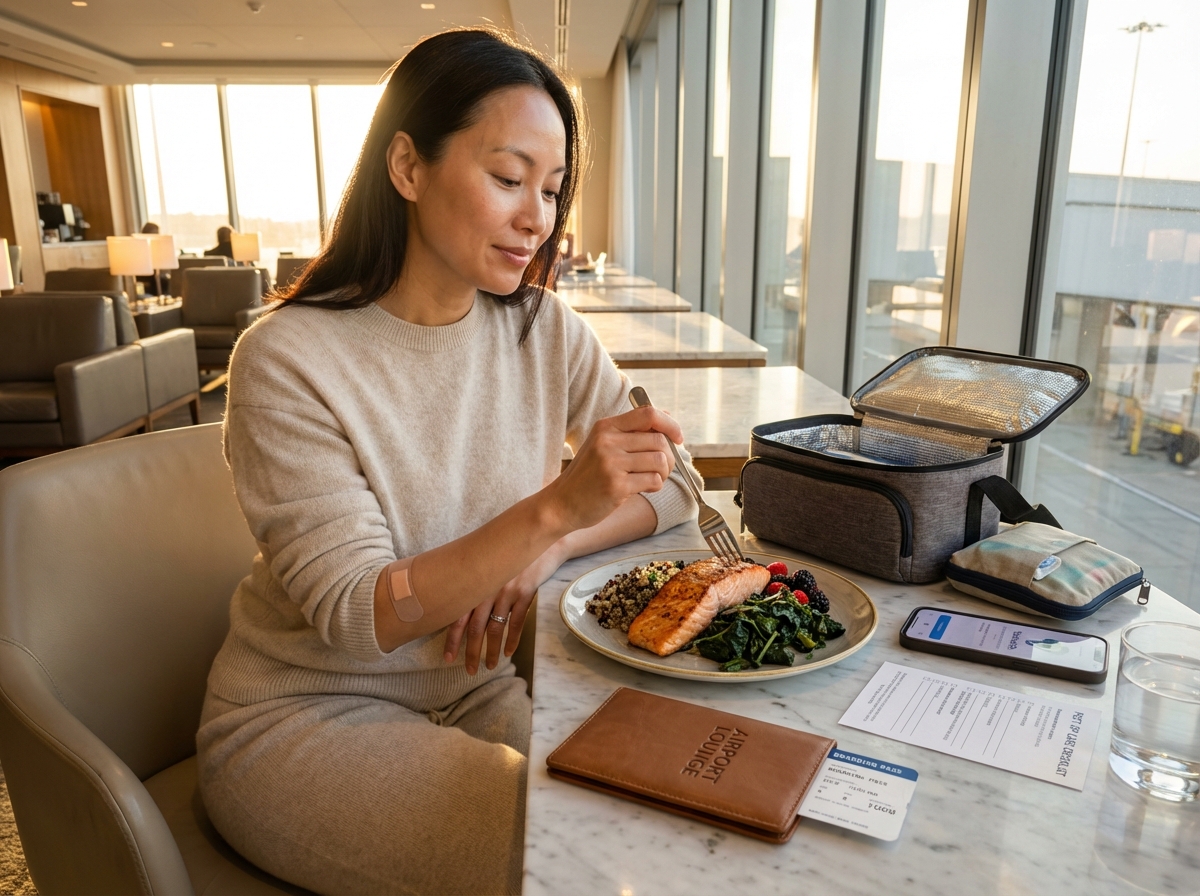
Pack a small insulated bag with two frozen gel packs. Include two hard boiled eggs, a sealed container of Greek yogurt, and a vacuum sealed tuna pouch. Add a ripe banana and an applesauce pouch for easy carbohydrates. Bring electrolyte powder packets to mix with bottled water after you pass through security. This kit provides roughly 50 grams of protein and keeps you hydrated without the excess salt found in airport snacks.
TSA and Airline Considerations
TSA allows medically necessary liquids and gels in carry on luggage even if they exceed the standard 3.4 ounce limit. You must declare these items at the checkpoint. It helps to have a letter from your surgeon explaining your dietary needs. Frozen gel packs are allowed as long as they are frozen solid when you go through screening. If they are slushy or melted, security might take them away. Pack your medications in their original containers with copies of your prescriptions.
Food Safety and Refrigeration
Perishable foods must stay below 40 degrees Fahrenheit to prevent bacterial growth. If you are on a long haul flight, ask the flight attendant if they can store your insulated bag in a cool place, though many airlines cannot do this for liability reasons. Stick to shelf stable protein like vacuum sealed chicken or tuna if you cannot guarantee your cooling packs will last the whole trip. Always reheat any cooked meals to 165 degrees Fahrenheit once you reach a kitchen.
Shopping List for Recovery
Proteins
Chicken breast, wild caught salmon, sardines, eggs, Greek yogurt, lentils, chickpeas, and whey or plant protein powder.
Produce
Blueberries, strawberries, spinach, kale, broccoli, sweet potatoes, avocados, lemons, and ginger root.
Pantry Staples
Quinoa, oats, chia seeds, walnuts, almonds, flaxseeds, and low sodium bone broth.
Anti-Inflammatory Condiments
Extra virgin olive oil, apple cider vinegar, turmeric, cinnamon, and manuka honey.
Practical Tips for Hotels and Airports
When staying in a hotel, request a room with a refrigerator and a microwave. You can often find plain oatmeal or hard boiled eggs at hotel breakfasts. At the airport, look for kiosks selling fresh fruit or plain yogurt. Avoid deli meats and pre-made sandwiches which are usually loaded with sodium and preservatives. If you must eat at an airport restaurant, ask for grilled protein with steamed vegetables and no added salt.
Frequently Asked Questions about Diet and Traveling Home After Surgery
Is an anti-inflammatory diet essential after every surgery?
While every patient is different, clinical data suggests that a diet low in pro-inflammatory triggers is beneficial for almost everyone. Acute inflammation peaks between 24 and 72 hours after a procedure. If this state persists, it can delay wound healing as well as increase the risk of complications. Research shows that following an anti-inflammatory pattern reduces markers like C-reactive protein. This often leads to a shorter hospital stay and a smoother transition home. You should always confirm specific dietary restrictions with your treating surgeon, especially if you had gastrointestinal surgery.
Why is protein so important for my recovery?
Surgery puts the body in a catabolic state where it breaks down tissue. Your protein needs rise significantly to support repair. Most adults require between 1.2 and 2.0 grams of protein per kilogram of body weight daily during this time. If you consume only 80 percent of your required energy for 10 days, your muscle protein synthesis can drop by 20 percent. This slows down the rate of complete recovery. Focus on high-quality sources like Greek yogurt, eggs, or lean poultry to ensure you get enough leucine for muscle preservation. A registered dietitian can help you calculate your exact needs based on the complexity of your surgery.
When will I start to see the benefits of these dietary changes?
The immediate effects of proper hydration and protein intake appear within the first week through improved energy levels and wound stability. However, the deeper systemic changes in inflammatory biomarkers like hs-CRP usually take between 4 and 8 weeks of consistent eating to become apparent. Recovery is a marathon rather than a sprint. Maintaining these habits through the convalescent phase, which lasts up to 12 weeks, ensures that the new tissue remains strong. You can read more about how pro-inflammatory diets influence perioperative outcomes to understand the long-term impact of your choices.
Which supplements should I avoid and which are safe?
You must be cautious with supplements that thin the blood. Stop taking garlic, ginkgo, and ginger supplements at least 7 to 10 days before and after surgery unless your doctor says otherwise. High doses of fish oil exceeding 3 grams per day as well as Vitamin E over 400 IU can also increase bleeding risks. St. John’s Wort is another concern because it interferes with many post-op medications. On the other hand, a standard multivitamin or Vitamin C at doses of 250 to 500 mg is often encouraged to support collagen synthesis. Always provide your surgeon with a full list of everything you take.
How do I manage my diet while taking blood thinners or antibiotics?
If you are on warfarin, you must keep your Vitamin K intake very stable. Abruptly eating large amounts of kale or spinach can make the medication less effective. For those on antibiotics, the focus shifts to gut health. Antibiotics can disrupt your microbiome, so incorporating pasteurized kefir or a probiotic with 10 billion CFU can help prevent diarrhea. You must also avoid alcohol entirely while on most antibiotics. Some medications like metronidazole require you to wait at least 48 to 72 hours after the last dose before having a drink. Consult your pharmacist for specific drug-food interactions.
What foods should I avoid to reduce swelling and constipation?
Excess sodium is the primary cause of postoperative edema. Try to keep your sodium intake below 2,300 mg per day, or even 1,500 mg if your swelling is severe. Avoid processed meats, canned soups, and salty snacks. To prevent constipation, which is common when using opioid pain relief, you need fiber plus plenty of water. Aim for 25 to 38 grams of fiber daily from soft sources like berries or mashed legumes. Avoid heavy, fried foods as well as refined sugars, as these can increase systemic inflammation and slow down your digestive tract.
How soon can I safely drink alcohol after my procedure?
Most surgeons recommend avoiding alcohol for at least 2 to 4 weeks after major surgery. Alcohol acutely impairs wound healing by interfering with immune function and collagen production. It also increases the risk of bleeding if you are taking NSAIDs or other blood thinners. If you are still taking any prescription pain medication, alcohol is strictly prohibited due to the risk of dangerous respiratory depression. Wait until you have finished all medications and your surgeon confirms that your primary incisions have closed before reintroducing alcohol in moderation.
How can I ensure food safety while recovering in a foreign country?
Foodborne illness is a major threat when your immune system is busy healing. Avoid street food, raw sprouts, and unpasteurized dairy products. Stick to bottled water for drinking as well as brushing your teeth if local water standards are uncertain. Ensure all hot foods are served steaming and reach an internal temperature of 165°F. Avoid raw shellfish or undercooked meats entirely during the first 4 to 8 weeks. If you are staying in a hotel, ask for grilled proteins without heavy sauces and request that no extra salt be added to your meals.
What is the best way to pack meals and medications for a long flight?
Use an insulated bag with gel packs to keep perishable items like Greek yogurt or cooked chicken below 40°F. TSA rules allow frozen gel packs in carry-on luggage as long as they are frozen solid at the security checkpoint. Declare your liquid protein shakes or medications as medically necessary to the agents. It is helpful to carry a letter from your surgeon explaining your needs. Pack your medications in their original containers with clear labels. Bring shelf-stable backups like vacuum-sealed tuna pouches or low-sugar protein bars in case of flight delays.
How should I handle my diet if I have diabetes or food allergies?
Managing blood sugar is critical because hyperglycemia increases the risk of surgical site infections. Target a glucose range between 140 and 180 mg/dL. Prioritize 20 to 30 grams of protein at every meal to help blunt the glycemic response of carbohydrates. If you have food allergies, always carry your epinephrine auto-injector and a translated card explaining your allergies to restaurant staff abroad. Confirm that any meal replacement shakes or protein bars you pack are free from cross-contamination. Coordinate with your home endocrinologist to adjust your insulin doses during the stress of recovery.
When should I call my surgeon regarding nutrition or digestion?
You should seek medical advice if you have not had a bowel movement or passed gas by the third day after surgery. This could indicate a postoperative ileus. Other red flags include persistent nausea that prevents you from drinking fluids, signs of dehydration like dark urine, or sudden increased redness and drainage at the wound site. If you experience a fever over 101°F or severe abdominal bloating, contact the surgical team immediately. It is always better to call with a question than to ignore a symptom that could lead to a readmission. Your surgeon or a registered dietitian can provide the most accurate guidance for your specific situation.
Conclusions and Next Steps for a Safe Return Home
Moving toward the final stage of your surgical journey requires a shift from clinical care to active self-management. The transition from a hospital bed in a foreign country to your own home involves more than just a flight. It requires a deliberate nutritional strategy to manage the systemic stress your body has endured. Inflammation is a natural part of the healing process, but it must be controlled to prevent complications. Research shows that acute postoperative inflammation typically peaks within 24 to 72 hours. If this state persists, it can lead to delayed wound healing or higher infection rates. By choosing foods that lower inflammatory markers like interleukin 6, you provide your tissues with the environment they need to knit back together.
Protein remains the most critical building block during this window. As noted previously, falling short of your protein requirements by even 20 percent for ten days can significantly reduce muscle protein synthesis. Prioritizing lean poultry, white fish, Greek yogurt, and legumes is not just a suggestion; it is a medical necessity for structural recovery.
Prioritizing the Right Nutrients
Anti-Inflammatory Powerhouses
Focus on foods rich in omega 3 fatty acids and antioxidants. Wild caught salmon and sardines provide essential fats that modulate the inflammatory response. Berries like blueberries and strawberries offer polyphenols that support the immune system. Dark leafy greens such as spinach or kale supply vitamin C for collagen synthesis and vitamin K for proper blood clotting. Including extra virgin olive oil as your primary fat source adds oleocanthal, a compound with natural anti-inflammatory properties similar to some over the counter medications.
Foods to Avoid
Certain items can actively hinder your progress. High sugar foods and ultra processed snacks trigger cytokine release, which can increase swelling and pain. Excessive sodium is another concern as it exacerbates postoperative edema. This is particularly important when you are preparing for a long flight where fluid retention is already a risk. Alcohol must be avoided for at least two to four weeks because it impairs collagen synthesis and interferes with many postoperative medications. You should also be cautious with grapefruit if you are taking statins or certain immunosuppressants due to potential drug interactions.
Logistics for a Safe Return
Traveling home after treatment overseas requires careful planning of your environment and your intake. Airline meals are notoriously high in sodium, often exceeding 1,000 mg per serving, which can lead to significant swelling in your extremities. Bringing your own travel meal kit—as detailed in the meal plan section—is the safest way to maintain your anti-inflammatory goals. Remember that TSA regulations allow for medically necessary liquids and foods if you declare them at security, and carrying a letter from your surgeon can help avoid delays.
Hydration is equally vital during transit. Aim for your calculated fluid target daily. On a flight, this means sipping water or electrolyte solutions consistently rather than waiting until you feel thirsty. Avoid caffeine and sugary sodas which can contribute to dehydration and inflammation. If you are on blood thinners or antibiotics, keep your dosing schedule consistent across time zones. Use a dedicated medication binder to track your doses and keep copies of your prescriptions and operative reports easily accessible.
Your 7 Day Recovery Action Plan
Creating a structured routine removes the guesswork from your first week home. Use the following framework to guide your shopping and meal preparation.
| Day | Breakfast Focus | Lunch Focus | Dinner Focus |
|---|---|---|---|
| 1-3 | Scrambled eggs with spinach | Pureed lentil or bean soup | Poached white fish with mashed carrots |
| 4-5 | Greek yogurt with berries | Tuna salad with olive oil | Baked chicken breast with quinoa |
| 6-7 | Oatmeal with chia seeds | Grilled salmon and greens | Turkey meatballs with zucchini noodles |
Immediate Next Steps
Review your current medications and any supplements with your surgeon before you leave the clinic. Some natural anti-inflammatories like high dose fish oil or turmeric can increase bleeding risk if combined with certain prescriptions. Schedule your follow up appointments with a local provider before you board your flight. This ensures a seamless handoff of your care. Finally, prepare your home kitchen by stocking up on low sodium broths, frozen berries, and pre portioned proteins so you do not have to shop while you are still fatigued.
Eating a less inflammatory diet may reduce the risk of death and complications for patients recovering from major procedures.
ASCO 2025 Dietary Analysis
When to Contact a Clinician
While nutrition supports healing, it does not replace medical monitoring. Seek urgent care if you experience a fever over 101 degrees Fahrenheit or sudden redness and warmth at the incision site. Shortness of breath or calf pain requires immediate evaluation to rule out blood clots. If you find yourself unable to keep down fluids or experience persistent nausea that prevents you from meeting your protein goals, contact your surgical team right away.
Recovery is a proactive process. If you need assistance with aftercare planning, complication checks, or coordinating safe travel back home, Surgery Recovery Travel is here to help. We specialize in bridging the gap between international treatment and a successful return to your daily life. Contact us to ensure your journey home is as smooth and safe as your procedure.
Anti-inflammatory diet and practical meal plans to speed wound healing, reduce complications, and travel home safely after surgery abroad.
References
- How pro-inflammatory diets influence perioperative outcomes — On the contrary, an anti-inflammatory diet reduces inflammatory markers and is associated with a shorter hospital stay. This review synthesizes …
- Five Anti-Inflammatory Diets for Post-Surgical Recovery — We've curated five science-backed, anti-inflammatory diets proven to speed healing, reduce swelling, and boost your immune system.
- Pro-inflammatory diets associated with worse outcomes for stage III … — Results from a large, prospective cohort study show that eating a less inflammatory diet may reduce the risk of death for patients with stage III colon cancer.
- Study shows that an anti-inflammatory diet could extend overall … — Patients with colon cancer who consumed an anti-inflammatory diet during a Phase III clinical trial showed longer overall survival post-treatment
- Does micronutrient supplementation improve outcomes in adult … — Micronutrients have been shown to have immune supporting and antioxidant and anti-inflammatory properties and deficiencies are associated with poorer clinical …
- [PDF] NUTRITION FOR INJURY RECOVERY & REHABILITATION – NATA — Insufficient energy intake (80 percent of total requirements) for 10 days can reduce muscle protein synthesis by 20 percent, thus impacting rate of complete …
Legal Disclaimers & Brand Notices
The information provided in this article is for informational and educational purposes only and does not constitute professional medical advice, diagnosis, or treatment. Always seek the advice of your surgeon, physician, or other qualified health care provider with any questions you may have regarding a medical condition, surgical recovery, or nutritional changes. Never disregard professional medical advice or delay in seeking it because of something you have read here.
All product names, logos, and brands are the property of their respective owners. All company, product, and service names used in this article are for identification purposes only. Use of these names, logos, and brands does not imply endorsement or affiliation.