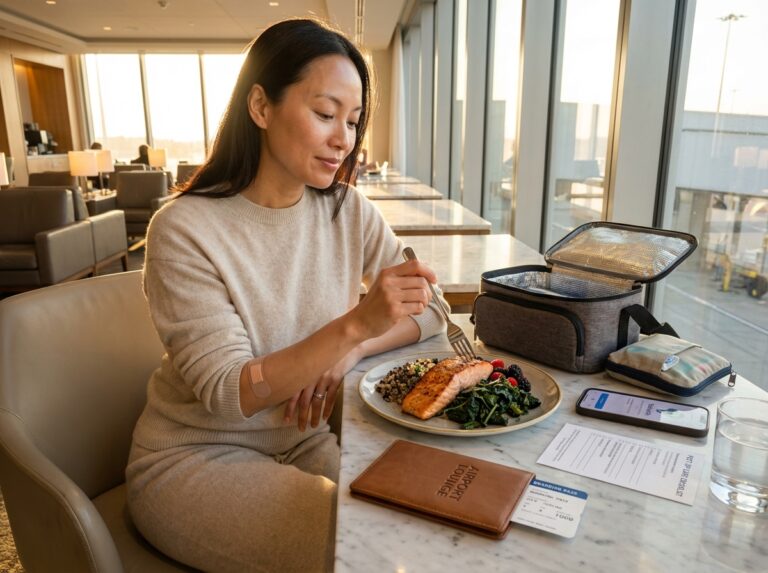
An anti-inflammatory diet can speed recovery, reduce complications, and support safe travel home after surgery abroad. This article outlines what to eat in the weeks before surgery, the day of and immediately after, plus longer-term nutrition, supplement interactions, and practical travel and aftercare tips to help patients returning to the USA recover safely and confidently.
Why Anti-Inflammatory Nutrition Matters for Surgical Recovery
Surgery is essentially a planned injury. Because your body can’t distinguish a surgeon’s scalpel from an accidental cut, it launches the same powerful healing response in either case: inflammation. While a certain amount of acute inflammation is essential for healing, the modern diet often leaves us in a state of chronic, low-grade inflammation. When you add the significant inflammatory trigger of surgery on top of that, the system can get overwhelmed. This is where an anti-inflammatory diet becomes one of your most powerful tools for a better recovery.
The healing process is a complex biological cascade. Immediately after an incision, your immune system dispatches first responders called neutrophils to the site. Their job is to clear out damaged cells and fight off any invading bacteria. They are soon followed by macrophages, which continue the cleanup and release growth factors to start rebuilding tissue. This initial inflammatory phase is crucial. However, if your body’s baseline inflammation is already high, this response can be excessive and prolonged, leading to more pain, swelling, and fluid retention than necessary. A diet high in processed foods, sugar, and unhealthy fats fuels this fire. In contrast, an anti-inflammatory diet provides the nutrients that help regulate this process, ensuring the response is effective but not overblown.
At the heart of this regulation are molecules called cytokines. Some cytokines promote inflammation, while others help resolve it. An anti-inflammatory diet, rich in omega-3 fatty acids from fish and polyphenols from colorful plants, helps your body produce more of the calming cytokines, keeping the entire system in better balance. Surgery also unleashes a flood of free radicals, unstable molecules that cause oxidative stress and damage healthy cells, slowing down healing. Think of it as cellular rust. The antioxidants found in berries, leafy greens, and other whole foods are your body’s defense against this damage. They neutralize free radicals, protecting your cells and allowing the repair work to proceed efficiently.
This nutritional strategy is a core principle of modern clinical care concepts like Enhanced Recovery After Surgery (ERAS). ERAS protocols are evidence-based pathways designed to reduce the stress of surgery and accelerate recovery. A major component is perioperative nutrition, which focuses on ensuring patients are in the best possible nutritional state before and after their procedure. The evidence is growing that a patient’s dietary pattern significantly impacts outcomes. While large-scale randomized controlled trials (RCTs) on whole anti-inflammatory diets for every type of surgery are still an emerging field, the data on specific nutrients and dietary patterns is compelling. For example, numerous studies have shown that immunonutrition formulas containing omega-3s and other key nutrients can reduce infection rates and shorten hospital stays after major surgery. Observational studies also suggest a strong link; research presented as recently as the 2023 ASCO annual meeting has shown that pro-inflammatory diets are associated with worse outcomes in cancer patients. The takeaway is clear: reducing systemic inflammation through food is a low-risk strategy that supports established best practices.
For anyone traveling abroad for surgery, these concepts have profound practical implications. Your recovery doesn’t just happen in a hospital bed; it continues on the plane ride home and in the weeks that follow. A smoother, faster recovery means a safer journey. Less swelling and pain make a long flight more tolerable, and a lower risk of complications is paramount when you are thousands of miles from your surgical team. By adopting an anti-inflammatory diet, you are actively participating in your own aftercare. You are building resilience, giving your body the resources it needs to heal properly and handle the physical stress of travel. This proactive approach integrates seamlessly with your surgeon’s follow-up plan, empowering you to manage your recovery with confidence and get back to your life sooner.
Foods and Meal Plans to Follow in the Weeks Before Surgery
The weeks leading up to your surgery are a critical window to prepare your body for the stress of the procedure and the demands of healing. Think of it as training for a marathon; you wouldn’t show up without preparing, and surgery is a marathon for your body. By focusing on an anti-inflammatory, nutrient-dense diet for at least two to four weeks beforehand, you can build up your nutritional reserves, lower systemic inflammation, and create an optimal internal environment for recovery. Research consistently shows that patients who eat a less inflammatory diet may experience better outcomes and shorter hospital stays.
Your primary goal is to fuel your body with the building blocks it needs for tissue repair and immune function.
Macronutrient Targets for Healing
Getting your macronutrients right is the foundation of a solid pre-surgical diet. Protein is the star player here. It provides the amino acids necessary to rebuild tissue, support immune cells, and produce collagen for wound healing. Aim for 1.2 to 1.5 grams of protein per kilogram of your body weight each day. For a 150-pound (68 kg) person, this is about 82 to 102 grams daily. Focus on high-quality sources like skinless chicken or turkey, fatty fish like salmon, eggs, Greek yogurt, cottage cheese, and plant-based options like lentils, chickpeas, and tofu. A 4-ounce chicken breast has about 35 grams of protein, and a cup of Greek yogurt has around 20 grams. Spreading your intake throughout the day helps your body absorb and use it more effectively.
Healthy fats are essential for managing inflammation. Prioritize omega-3 fatty acids, which have potent anti-inflammatory properties. Excellent sources include salmon, mackerel, sardines, chia seeds, flaxseeds, and walnuts. Use extra virgin olive oil for dressings and light cooking. At the same time, reduce your intake of omega-6 fatty acids, found in many processed foods and vegetable oils like corn and soybean oil, as an imbalance can promote inflammation. A word of caution: while omega-3s are beneficial, high-dose fish oil supplements can thin the blood. You will need to stop these, along with high-dose Vitamin E, about 7 to 14 days before surgery, but always follow the specific instructions from your surgeon.
Complex carbohydrates provide the steady energy your body and brain need. They also help maintain stable blood sugar levels, which is crucial for managing the body’s stress response. Choose whole grains like oats, quinoa, and brown rice, along with starchy vegetables like sweet potatoes and squash. These foods are also rich in fiber, which supports a healthy gut microbiome. A healthy gut is linked to a stronger immune system, which is exactly what you need heading into surgery.
Key Micronutrients for Wound Repair
Several vitamins and minerals play direct roles in the healing process. Make sure your diet is rich in these key players:
- Vitamin C: Essential for collagen synthesis and immune function. Find it in citrus fruits, bell peppers, strawberries, broccoli, and kiwi.
- Vitamin A: Supports immune response and cell growth. Sources include sweet potatoes, carrots, spinach, and kale.
- Zinc: A critical component of enzymes needed for protein synthesis and wound healing. Eat lean meats, shellfish, legumes, seeds, and nuts.
- Iron: Necessary to create new red blood cells to prevent anemia, which can be a risk with blood loss during surgery. Good sources are lean red meat, poultry, fish, beans, and fortified cereals. Pair iron-rich foods with a source of Vitamin C to enhance absorption.
- Vitamin D: Plays a role in immune regulation. Your body produces it from sun exposure, but you can also find it in fatty fish, fortified milk, and eggs.
A Sample Week of Anti-Inflammatory Eating
Here is a sample meal plan to give you ideas. Adjust portions to meet your specific protein and energy needs.
- Monday: Breakfast: Oatmeal with berries and walnuts. Lunch: Large salad with grilled chicken, mixed greens, and an olive oil vinaigrette. Dinner: Baked salmon with roasted asparagus and quinoa. Snack: Apple with almond butter.
- Tuesday: Breakfast: Greek yogurt with chia seeds and sliced peaches. Lunch: Lentil soup with a side of whole-grain bread. Dinner: Turkey meatballs with zucchini noodles and marinara sauce. Snack: Handful of almonds.
- Wednesday: Breakfast: Scrambled eggs with spinach and a side of avocado. Lunch: Leftover turkey meatballs. Dinner: Chickpea and vegetable stir-fry with brown rice. Snack: Pear.
- Thursday: Breakfast: Smoothie with spinach, banana, protein powder, and flaxseed. Lunch: Quinoa salad with black beans, corn, bell peppers, and a lime dressing. Dinner: Grilled cod with steamed broccoli and a small sweet potato. Snack: Cottage cheese.
- Friday: Breakfast: Oatmeal with cinnamon and sliced apple. Lunch: Leftover grilled cod and broccoli. Dinner: Chicken and vegetable skewers with a side salad. Snack: Berries.
- Saturday: Breakfast: Whole-grain toast with avocado and a poached egg. Lunch: Tuna salad (made with Greek yogurt instead of mayo) in lettuce cups. Dinner: Lean steak with a large side of roasted Brussels sprouts. Snack: Orange.
- Sunday: Breakfast: Greek yogurt with nuts and a drizzle of honey. Lunch: Leftover steak and Brussels sprouts. Dinner: Black bean burgers on whole-wheat buns with a side of sweet potato fries (baked). Snack: Hard-boiled egg.
What to Stop or Reduce
Just as important as what you add to your diet is what you remove. In the weeks before surgery, significantly reduce or eliminate alcohol, which can impair immune function and interfere with anesthesia. Cut out processed foods, sugary drinks, and refined carbohydrates, as they all promote inflammation. Avoid trans fats found in many packaged baked goods and fried foods. Certain supplements can increase bleeding risk or interact with medications. A partial list includes garlic, ginkgo biloba, ginseng, St. John’s Wort, high-dose fish oil, and vitamin E. Your surgical team will provide a comprehensive list and a specific timeline for stopping them, typically one to two weeks before your procedure. It is absolutely essential that you disclose all supplements, herbs, and vitamins you take to your surgeon and anesthesiologist.
If you have a pre-existing condition like diabetes or renal disease, your nutritional needs will be more specific. It is vital to work with your doctor and a registered dietitian to create a pre-surgical eating plan that is safe and effective for you.
What to Eat the Day Before and Day of Surgery
As your surgery date approaches, the focus shifts from long-term preparation to the critical 24 hours before your procedure. The old advice of “nothing to eat or drink after midnight” has been replaced by more modern, evidence-based protocols known as Enhanced Recovery After Surgery (ERAS). These guidelines are designed to put your body in the best possible state for the stress of surgery, reducing complications and helping you feel better, faster.
The day before your operation, your goal is to eat light, hydrating, and easily digestible meals. This is not the time for a large, celebratory steak dinner. Heavy, fatty foods can delay stomach emptying and increase inflammation. Instead, focus on lean proteins like grilled chicken or fish, simple carbohydrates like white rice or pasta, and well-cooked vegetables. If your surgeon has ordered a bowel preparation, you will need to follow a specific low-residue or clear liquid diet. This typically includes things like clear broths, gelatin, and pulp-free juices. Regardless of your specific diet, hydration is key. Sip water, herbal tea, or electrolyte-infused drinks throughout the day. Absolutely avoid alcohol, as it dehydrates you, interferes with anesthesia, and can increase bleeding risk.
On the day of your surgery, the new fasting rules are a significant improvement for patient comfort and safety. For most patients, the guidelines are as follows:
- Stop eating solid food 6 to 8 hours before your scheduled surgery time. This includes anything that is not a clear liquid, such as milk, creamer, or smoothies.
- You may continue to drink clear liquids up to 2 hours before your surgery.
Clear liquids are fluids you can see through. This includes water, black coffee or tea (no milk or cream), clear fruit juices without pulp (like apple or white grape juice), and specially formulated preoperative carbohydrate drinks. These carbohydrate drinks are a cornerstone of ERAS protocols. Drinking a high-carb, low-volume beverage a couple of hours before surgery helps your body avoid shifting into a deep starvation mode. This simple step has been shown to reduce postoperative nausea, decrease anxiety, and, most importantly, lower insulin resistance. When your body experiences the stress of surgery, it can struggle to manage blood sugar effectively. Starting in a well-fueled state helps your metabolism function more normally, preserving muscle mass and supporting a smoother recovery.
Of course, these guidelines may need to be adjusted for your specific health needs. If you have diabetes, your surgical team will give you very precise instructions on managing your blood sugar, what type of carbohydrate drink is safe (if any), and how to adjust your medications. For individuals with conditions like gastroparesis, where the stomach empties slowly, a longer fasting period for both solids and liquids will likely be necessary. It is absolutely essential to follow the specific instructions given to you by your surgeon and anesthesiologist.
This is also your final opportunity to ensure your medical team has a complete picture of what you’ve been taking. You should have already stopped any supplements that can interfere with surgery. Now, create a definitive list of everything you take, including all prescription medications, over-the-counter drugs, vitamins, and herbal products. Bring this list with you to the hospital. Be prepared to tell the anesthesiologist the name of each item, the dose, and the last time you took it. This information is vital for your safety during the procedure.
Nutrition Strategies for the First 0 to 6 Weeks After Surgery
The first few weeks after surgery are a critical window for healing, and what you eat plays a starring role. Your body is working overtime to repair tissues, fight inflammation, and fend off infection. This phase-based plan is designed to give your body exactly what it needs, when it needs it, especially as you navigate recovery abroad and prepare for your journey home.
Phase 1: Immediate Recovery (First 0 to 72 Hours)
Your primary goals right now are hydration, managing inflammation, and gently reawakening your digestive system. Anesthesia and surgery can leave you feeling nauseous with little appetite, so the focus is on easy-to-digest liquids and soft foods.
- Goals: Hydrate, reduce inflammation, provide initial protein for repair, and prevent nausea.
- What to Eat and Drink: Start with clear liquids like water, clear broths (bone or vegetable), and diluted fruit juices. Ginger tea can be excellent for settling your stomach. As your appetite returns, progress to full liquids. Smoothies are a fantastic option; blend a high-quality protein powder (whey, casein, or a plant-based blend) with water, unsweetened almond milk, and a handful of anti-inflammatory berries like blueberries or raspberries. Aim for 20-25 grams of protein per serving.
- Foods to Avoid: Steer clear of carbonated drinks, caffeine, dairy if it causes bloating, and anything solid, greasy, or spicy. Your digestive system isn’t ready for heavy lifting yet.
Phase 2: Early Recovery (Days 3 to 14)
During this phase, your body’s demand for protein and nutrients skyrockets to support wound healing and rebuild tissue. The focus shifts from liquids to soft, nutrient-dense whole foods. An anti-inflammatory diet is particularly beneficial here, as studies show it can help reduce inflammatory markers and may be associated with better recovery outcomes.
- Goals: Support wound healing with high protein, maintain muscle mass, manage inflammation, prevent constipation, and minimize infection risk.
- Protein Target: Aim for 1.5 to 2.0 grams of protein per kilogram of your ideal body weight. For a 150 lb (68 kg) person, this is about 102-136 grams per day.
- What to Eat:
- High-Protein Soft Foods: Scrambled eggs, Greek yogurt, cottage cheese, well-cooked flaky fish like cod or salmon, mashed lentils or beans, and soft-cooked chicken. Soups and stews are still great choices.
- Anti-Inflammatory Powerhouses: Incorporate cooked leafy greens like spinach into eggs or soups. Add a pinch of turmeric (with black pepper to boost absorption) to savory dishes. Berries can be eaten whole if tolerated or blended into smoothies. Extra virgin olive oil should be your primary fat for drizzling on foods.
- Fiber and Fluids for Constipation: Pain medication and inactivity often lead to constipation. Increase your fluid intake significantly. Introduce soluble fiber gently with foods like oatmeal, avocados, and stewed apples or pears. Avoid large amounts of raw, cruciferous vegetables (like broccoli or cauliflower) which can cause gas and bloating.
- Foods to Avoid: Continue to avoid heavily processed foods, fried foods, excessive sugar, and alcohol. For safety, especially while abroad, avoid raw or undercooked foods like raw shellfish and unpasteurized dairy products to minimize the risk of foodborne illness when your immune system is vulnerable.
Phase 3: Later Recovery (Weeks 2 to 6)
You can now begin expanding your diet to include a wider variety of textures and foods, keeping the anti-inflammatory foundation strong. Your energy levels should be improving, but your body is still in a major healing phase.
- Goals: Continue high-level nutritional support for tissue remodeling, restore nutrient stores, and build a sustainable, healthy eating pattern.
- What to Eat: Gradually reintroduce more textured foods. Focus on a colorful plate rich in lean proteins (chicken breast, fish, tofu), healthy fats (avocado, nuts, seeds), and complex carbohydrates (quinoa, sweet potatoes, whole grains). Continue emphasizing anti-inflammatory foods like fatty fish (salmon, mackerel), a wide array of vegetables, and fruits.
Navigating Your Journey Home
Traveling after surgery requires careful planning. Your nutritional strategy can help make the trip safer and more comfortable.
Packing for the Flight
Pack non-perishable, nutrient-dense snacks. Good options include single-serving protein powder packets (to mix with bottled water), low-sugar protein bars, nuts and seeds (if cleared by your surgeon), and dried fruit. This ensures you have safe, appropriate food available and aren’t reliant on airport or airline options.
Hydration and DVT Prevention
Dehydration thickens the blood, increasing the risk of Deep Vein Thrombosis (DVT), a serious concern on long flights post-surgery. Drink water consistently before and during the flight. Consider an electrolyte powder to add to your water. Avoid alcohol and caffeine, as they are dehydrating. Get up and walk the aisle every hour if possible and perform seated leg exercises.
Pre-Flight Medical Checklist
Before you are cleared to travel, you and your local medical team should confirm the following as part of a non-negotiable safety measure:
- Final Intake Documentation: You must have a clear record of the exact time of your last solid food and your last clear liquid before surgery. This information is often required for medical clearance forms.
- Medication Reconciliation: Keep a detailed written list of every medication you were given in the hospital, including the drug name, dosage, and time of administration. Compare this with your medication list from home to identify any changes or new prescriptions you need to continue.
- Coordinated Communication: Ensure you have the direct contact information for your surgeon abroad. Before you leave, confirm that a summary of your procedure and immediate post-op care has been sent to your primary care physician back home, or that you have a physical copy to carry with you.
Red Flags: When to Seek Immediate Medical Care
While recovering abroad or immediately upon your return, be vigilant. Contact your local medical team or seek urgent care in the U.S. if you experience any of the following:
- A fever over 101°F (38.3°C).
- Uncontrolled pain not managed by your prescribed medication.
- Signs of wound infection: increasing redness, warmth, swelling, pus-like drainage, or foul odor from the incision site.
- Shortness of breath or chest pain.
- Pain, swelling, or redness in your calf, which could signal a DVT.
- Persistent nausea, vomiting, or inability to keep fluids down.
Trust your instincts. If something feels wrong, it is always better to get checked out by a medical professional.
Frequently Asked Questions
Navigating nutrition before and after surgery can feel overwhelming, especially when you’re also managing international travel. Here are answers to some of the most common questions patients have about using an anti-inflammatory diet to support their recovery.
When should I start an anti-inflammatory diet before surgery?
Ideally, you should begin shifting your diet two to four weeks before your procedure. This gives your body ample time to lower baseline inflammation and build up nutrient stores. Starting earlier helps prepare your tissues for the stress of surgery, potentially leading to better outcomes. If you have less time, even one week of focused, anti-inflammatory eating can make a positive difference.
How long should I follow it after surgery?
Think of this as a long-term commitment to your healing. You should continue the diet for at least four to six weeks after your surgery. This period is critical for tissue repair, managing swelling, and reducing infection risk. Many people find the benefits so significant that they adopt anti-inflammatory eating as a permanent lifestyle. Studies as recent as June 2023 have shown that a less inflammatory diet is associated with better long-term health outcomes, reinforcing its importance beyond the immediate recovery window. For more on this, you can read about how an anti-inflammatory diet could extend overall survival after certain treatments.
Can I use turmeric or ginger after surgery?
Yes, but with an important distinction. Using fresh or dried ginger and turmeric in your food—like in teas, soups, or smoothies—is generally safe and beneficial for their anti-inflammatory properties. However, you must be very cautious with high-dose supplements of curcumin (from turmeric) or ginger. They can have a blood-thinning effect, which could increase bleeding risk. Always get your surgeon’s explicit approval before taking any herbal supplements after your operation.
Do omega-3 supplements need to be stopped before surgery?
Yes, this is a critical safety measure. Omega-3 supplements, including fish oil, krill oil, and flaxseed oil, can interfere with blood clotting. Your surgeon and anesthesiologist will almost certainly require you to stop taking them one to two weeks before your surgery. Be sure to follow their specific instructions to the letter to minimize your risk of excessive bleeding during and after the procedure.
How much protein do I need after surgery?
Your protein needs skyrocket after surgery to help your body heal wounds, fight infection, and rebuild muscle. The general recommendation is to aim for 1.5 to 2.0 grams of protein for every kilogram of your body weight per day. For a 150-pound (68 kg) person, that’s about 102 to 136 grams daily. Focus on high-quality, easily digestible sources like lean chicken, fish, eggs, Greek yogurt, cottage cheese, and protein powders.
Is it safe to eat raw fruits and salads after abdominal surgery?
It’s best to wait. After any abdominal procedure, your digestive system is sensitive and needs time to recover. Raw vegetables and fruits are high in insoluble fiber, which can be difficult to digest and may cause uncomfortable gas, bloating, and cramping. Stick to cooked vegetables, soups, and soft fruits like bananas, applesauce, and melon for the first couple of weeks. You can slowly reintroduce raw foods as your system feels ready, but listen to your body and your surgeon’s advice.
What foods help prevent constipation?
Anesthesia and pain medications make post-op constipation extremely common. Your best defenses are fluids and fiber. Drink plenty of water throughout the day. Incorporate soluble fiber, which is gentler on the gut, from foods like oatmeal, stewed prunes, pears, avocados, and beans. A warm cup of peppermint or ginger tea can also help soothe your digestive system. Gentle walking, as soon as you are cleared to do so, is also very effective.
Which supplements are best for wound healing?
A food-first approach is always best, but certain nutrients are superstars for healing. Vitamin C is essential for making collagen, the protein that builds new skin. Zinc plays a key role in tissue repair and immune function. Some surgeons may also recommend specific amino acids like Arginine. However, do not start any new supplement without consulting your surgical team. They can advise you on what is safe and effective for your specific situation and ensure it won’t interact with your medications.
When can I fly home, and what nutrition precautions should I take?
Your surgeon will give you medical clearance to fly based on your specific surgery and recovery progress. For the journey home, hydration is your top priority to help prevent blood clots. Drink water consistently before and during the flight. Pack your own nutrient-dense, easily digestible snacks. Good options include protein bars, unsalted nuts, or a pre-made smoothie in a travel-safe container. Avoid salty airport food, which can worsen swelling, and carbonated drinks that can cause gas and bloating at high altitudes.
Are there any foods that increase bleeding risk?
The biggest culprits are concentrated supplements, not whole foods. Supplements like Vitamin E, ginkgo biloba, garlic pills, and high-dose fish oil should all be stopped well before surgery. While foods like garlic, ginger, and turmeric have very mild blood-thinning properties, the amounts used in normal cooking are not a concern. The most important thing is to give your medical team a complete list of every single supplement, vitamin, and herbal remedy you take so they can provide personalized and safe instructions.
Key Takeaways and Next Steps
Navigating the path to recovery after surgery abroad requires a proactive, strategic approach. We’ve covered the science behind anti-inflammatory eating, the specific foods that can become your allies, and the practical steps to manage your diet. Now, let’s bring it all together into a clear, actionable plan that puts you in control of your healing journey, from the hospital bed to your own home.
Your preparation for surgery is the foundation of your recovery. By consciously shifting to an anti-inflammatory diet rich in colorful fruits, leafy greens, lean proteins, and healthy fats, you are actively building up your body’s reserves. This process, often called “pre-habilitation,” helps lower baseline inflammation, strengthens your immune system, and provides the raw materials your body will need for repair. Research consistently shows that patients who optimize their nutrition beforehand may experience better outcomes.
Just as important as what you add to your diet is what you temporarily remove. Many common supplements, including fish oil, high-dose vitamin E, garlic, and ginkgo biloba, can interfere with blood clotting, posing a significant risk of increased bleeding. It is absolutely critical to provide your surgical and anesthesia team with a complete list of every supplement and herbal remedy you take. They will give you a clear timeline for when to stop each one, typically one to two weeks before your surgery date. This is a non-negotiable step for your safety.
After surgery, your body’s nutritional needs change. The focus shifts from preparation to active healing and gentle digestion. Your diet will likely progress in phases, starting with clear liquids, then moving to soft, easily digestible foods. This is the time for nutrient-dense choices like protein smoothies, Greek yogurt, scrambled eggs, and well-cooked vegetables. Prioritize high-quality protein to rebuild tissue, vitamin C to support collagen synthesis, and zinc for wound healing. Gentle fiber from sources like oatmeal and cooked fruits can also help manage the common post-surgical issue of constipation.
The journey home is a unique challenge for patients who have traveled for care. A long flight can be physically taxing, and your nutritional strategy must account for this. Hydration is paramount, so drink plenty of water. Pack your own safe, easy-to-digest snacks like protein bars or crackers. Avoid the heavy, salty food available at airports, which can cause bloating and discomfort. Think of your travel day as a continuation of your recovery plan, making conscious choices to support your body when it’s most vulnerable.
To ensure a safe and successful return, here are your key next steps:
- Create a Personalized Plan with Your Medical Team.
Before surgery, have a detailed conversation with your surgeon and anesthesiologist. Discuss your current diet, all medications and supplements you take, and their specific pre- and post-operative nutritional guidelines. This is your most important source of information. - Consider a Registered Dietitian.
If you have pre-existing health conditions or feel overwhelmed, consulting a registered dietitian (RD) can be invaluable. They can help you create a tailored meal plan that meets your specific needs and preferences, taking the guesswork out of your preparation and recovery. - Organize Logistics Before You Leave.
Plan ahead. Ensure you have all necessary prescriptions filled or have a plan to get them upon your return. Schedule your follow-up appointments, whether in-person or virtual, before you travel home. Having these logistics sorted out reduces stress and ensures continuity of care. - Prepare a Medical Travel Checklist.
Compile a folder with all essential documents. This should include your surgeon’s contact information, a list of your medications and dosages, your dietary guidelines, and copies of your medical records. This simple tool can be a lifesaver in case of any unexpected issues during your journey.
By thoughtfully preparing your body with an anti-inflammatory diet and meticulously planning for your post-operative care and travel, you are taking an active role in your own healing. This careful preparation is the key to a safer, more comfortable recovery and a smooth transition back to your life at home.
Sources
- ASCO 2023: Pro-inflammatory diets associated with worse … – ecancer — Results from a large, prospective cohort study show that eating a less inflammatory diet may reduce the risk of death for patients with stage III colon cancer.
- Study shows that an anti-inflammatory diet could extend overall … — Patients with colon cancer who consumed an anti-inflammatory diet during a Phase III clinical trial showed longer overall survival post-treatment
- Anti Inflammatory Diet Could Influence Survival Following Stage III … — Consuming an anti-inflammatory diet could improve posttreatment survival among patients with colorectal cancer compared with following a proinflammatory diet.
- Does micronutrient supplementation improve outcomes in adult … — Micronutrients have been shown to have immune supporting and antioxidant and anti-inflammatory properties and deficiencies are associated with poorer clinical …
- Inflammatory Diet and Survival Outcomes in Colorectal Cancer — Patients consuming the most inflammatory diets (highest EDIP quintile, top 20%) faced an 87% higher risk of death compared to those in the lowest quintile ( …
- Anti-inflammatory Diets and Cancer | American Cancer Society — Each time you choose to eat foods that are anti-inflammatory, you can help reduce your risk of cancer and other health problems like heart …
Legal Disclaimers & Brand Notices
Medical Disclaimer and Liability Notice
The information provided in this article, including all discussions of nutritional guidelines, supplement interactions, fasting protocols, recovery phases, and risk management (such as DVT prevention and identifying red flags), is for informational purposes only. It is not intended to be a substitute for professional medical advice, diagnosis, or treatment from a qualified healthcare provider. Always seek the advice of your physician, surgeon, or other qualified health professional with any questions you may have regarding a medical condition, surgical procedure, or dietary changes.
Specific instructions regarding fasting times, supplement cessation (including fish oil and Vitamin E), medication reconciliation, and travel clearance must be followed exactly as directed by your operating surgeon and anesthesiologist. Reliance on any information provided in this article is solely at your own risk. Never disregard professional medical advice or delay in seeking it because of something you have read here.
Trademark Acknowledgement
All product names, logos, and brands mentioned in this article, if any, are the property of their respective owners.